Twenty startups, twenty weeks, and half of them still have a placeholder homepage
Every program manager knows the week before demo day: investors are clicking through the cohort list and a third of the links go to a one-line holding page, a dead domain or a slide deck. This page is about running websites as part of the program, from week one to graduation, with sites the founders own when they leave.
TL;DR
- Give every company a site in week one, from a template, under your program brand while they are in the cohort.
- Founders keep editing rights. Your team sees every site in one list and can check them before demo day.
- On graduation, hand the site over: the code can be downloaded or exported to a founder’s GitHub.
- Fundraising language on startup websites can count as general solicitation under US securities rules. Put a check in your program.
The website problem is a program problem
Founders do not skip their website because they are lazy. They skip it because every week has something more urgent, and "the site" keeps slipping until a partner asks for the link. By then it is a rushed job on whatever tool someone used before, often on a personal account that nobody else can log into.
For the program, that creates three recurring costs:
- Demo day links that embarrass the cohort. Investors judge the program by the weakest pages they click.
- No visibility. Your team cannot see which companies have a site, what it says, or whether it was updated after the pivot in week eight.
- Messy exits. When a company graduates or folds, nobody knows who controls its domain and account.
Running websites centrally, as one more piece of program infrastructure like the shared drive or the office, removes all three.
Week one: a site for every company
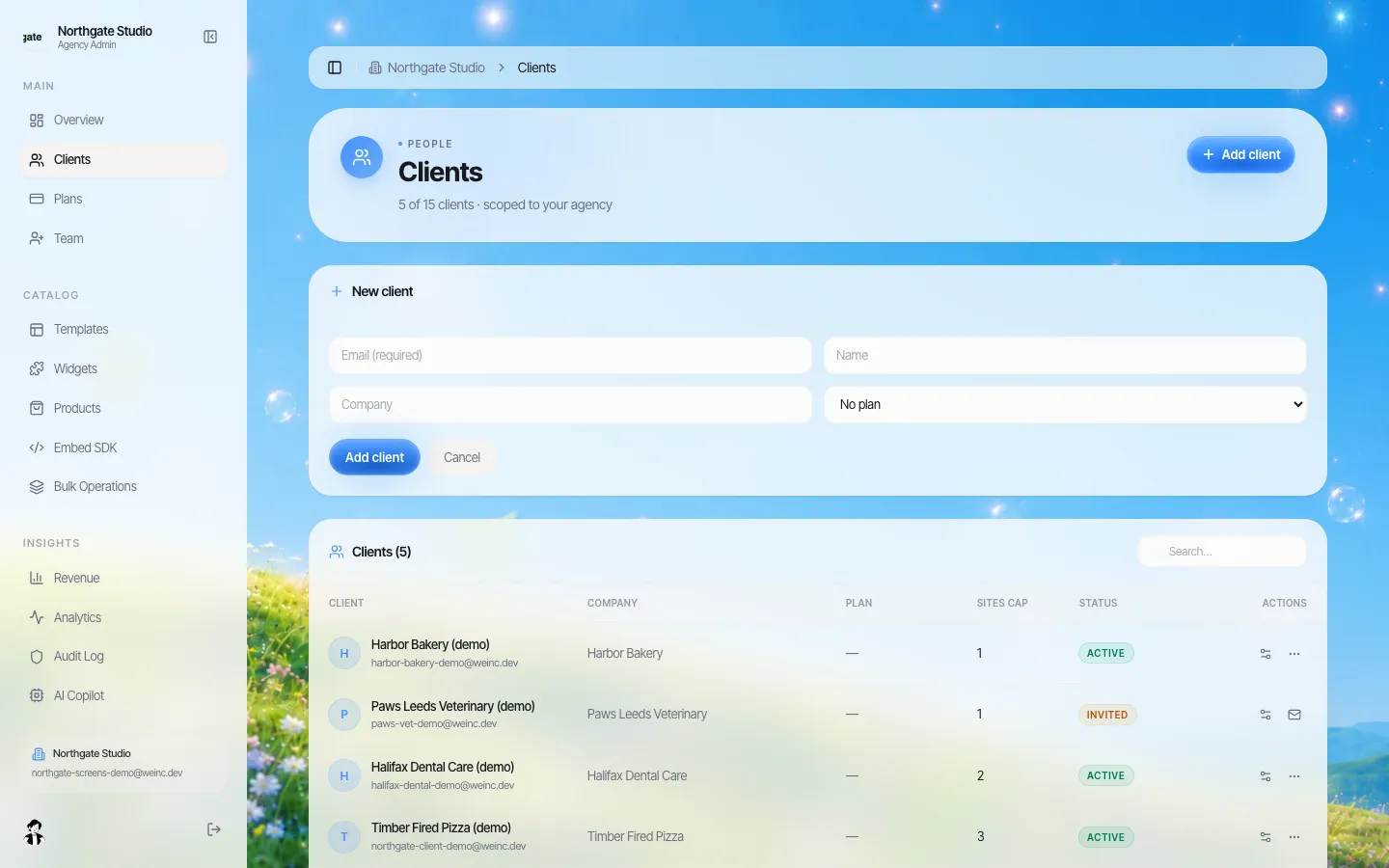
*Adding a startup takes one form: the founder's email, name, company and plan. The invitation goes out in your program's name.*
Invite each founder on the first day. They sign in on your program's branded portal and either pick a template or describe the company in a sentence or two and let the AI build a first version. A one-page site with a clear sentence about what the company does, who it is for, the founders and a contact form is enough for week one. It is better than a holding page, and it gives the founder something to rewrite every time the pitch changes.
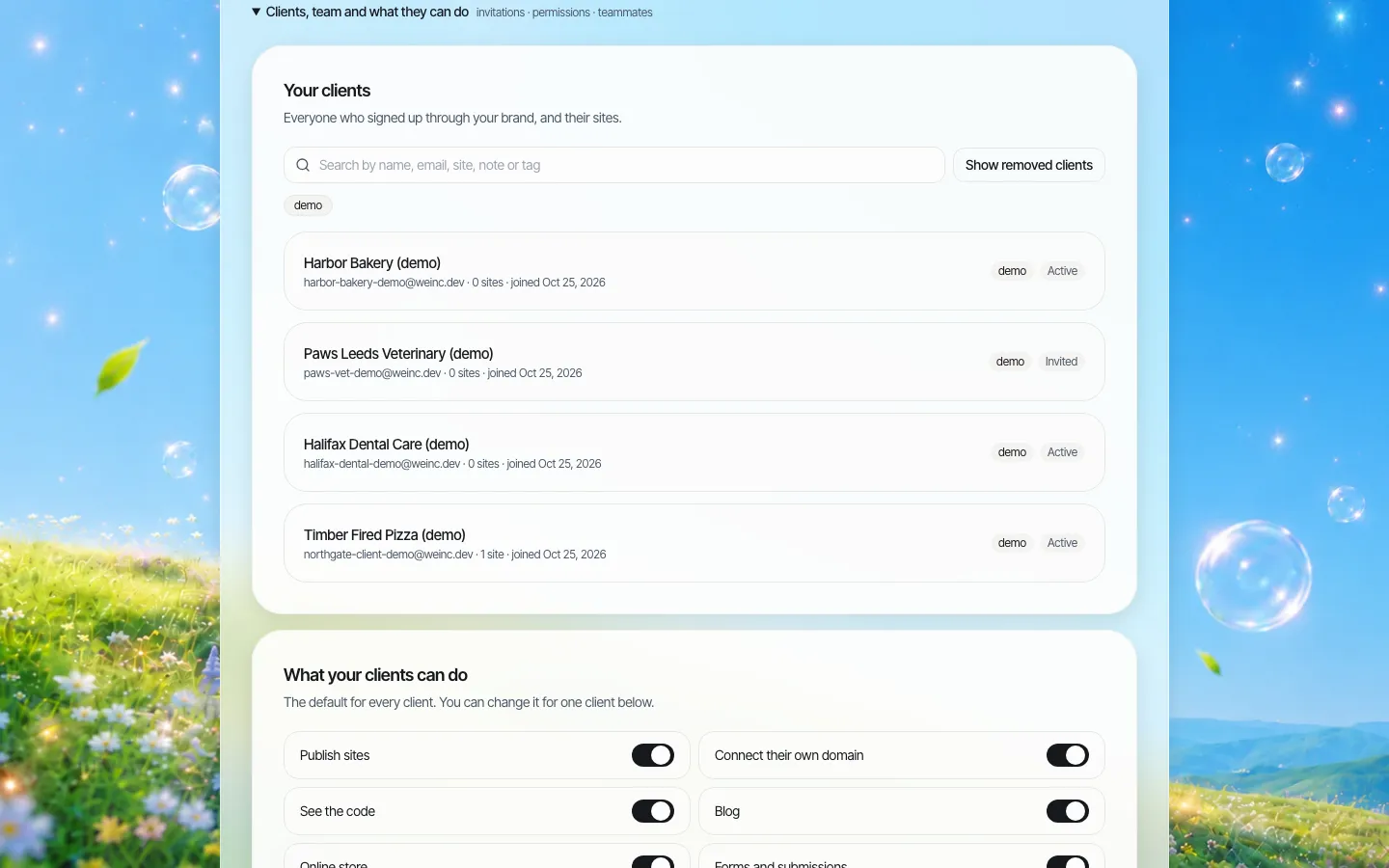
*The client list. Tag each company with its cohort and track, so you can filter "Spring cohort, fintech" in a second.*
A website standard for the cohort
Write the standard down and share it with founders on day one. Here is one you can copy:
| By week | Each company's site must have |
|---|---|
| 1 | One sentence on what the company does and for whom; founder names; a working contact form |
| 4 | A page for the product with at least one real screenshot or photo |
| 8 | Updated copy if the company has changed direction; their own domain connected |
| 12 | Team page with roles; a clear call to action (waitlist, book a call, try it) |
| Demo day minus 7 | Program review: links work, nothing claims customers or numbers the founders cannot show |
The review a week before demo day is the step most programs skip. With every site in one account, it takes an afternoon.
What founders can change, and what your team can see
Per-company switches decide who can publish, connect their own domain, see the code, and use the blog, store, forms and SEO settings. For a cohort, the usual setup is everything on except the store, with publishing allowed straight away. Programs with very early founders, or with a corporate partner whose name appears on the sites, sometimes switch on approval so a program manager checks the first publish.
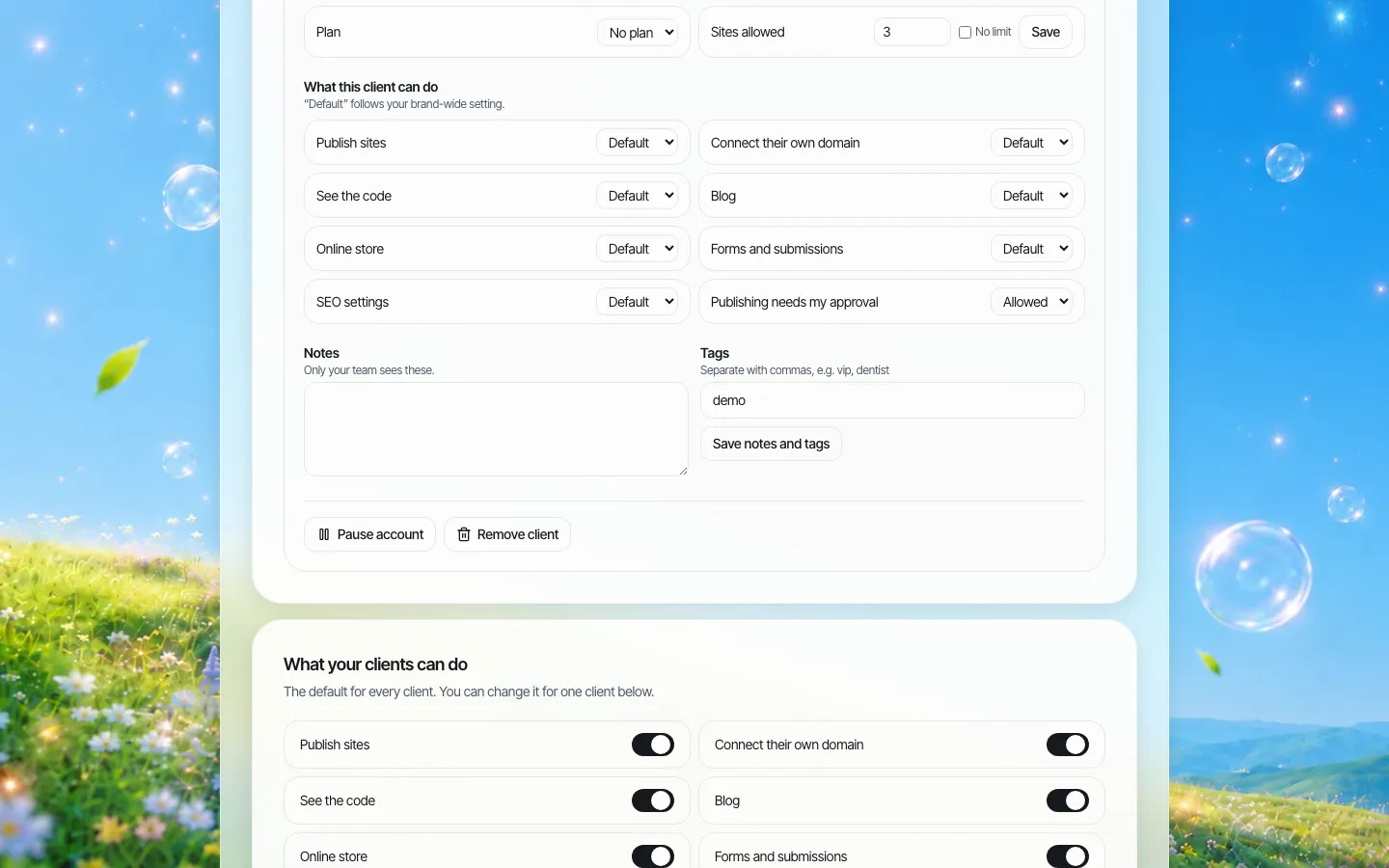
*One startup's switches, with notes and tags underneath for your own records.*
Your own staff join the program account with fixed roles: owners and admins, and presets such as designer (can edit any company's site, no billing), support (sees companies and their sites, writes notes, no edits) and billing. A designer-in-residence can fix a struggling founder's homepage directly instead of coaching over a call.
Fundraising words on startup sites: be careful
This is the part of startup websites that most programs do not think about.
In the US, a company raising money privately under Regulation D Rule 506(b) may not use general solicitation. The SEC describes Rule 506(c) as the route that "permits issuers to broadly solicit and generally advertise an offering", on condition that all purchasers are accredited investors and the issuer takes reasonable steps to verify that. A startup homepage that says "We are raising our seed round, invest now" can turn a quiet raise into general solicitation.
Practical rules for founders:
- Talk about the product, the team and the traction you can show. Leave the round out of the public website.
- Do not publish deal terms, valuations or "invest" buttons unless counsel has set the raise up for that.
- Put demo day fundraising details in the private materials you send investors, not on the public site.
This is not legal advice; founders and programs should ask securities counsel. Programs outside the US should check their own country's rules on promoting investments.
Before demo day: a cohort-wide check
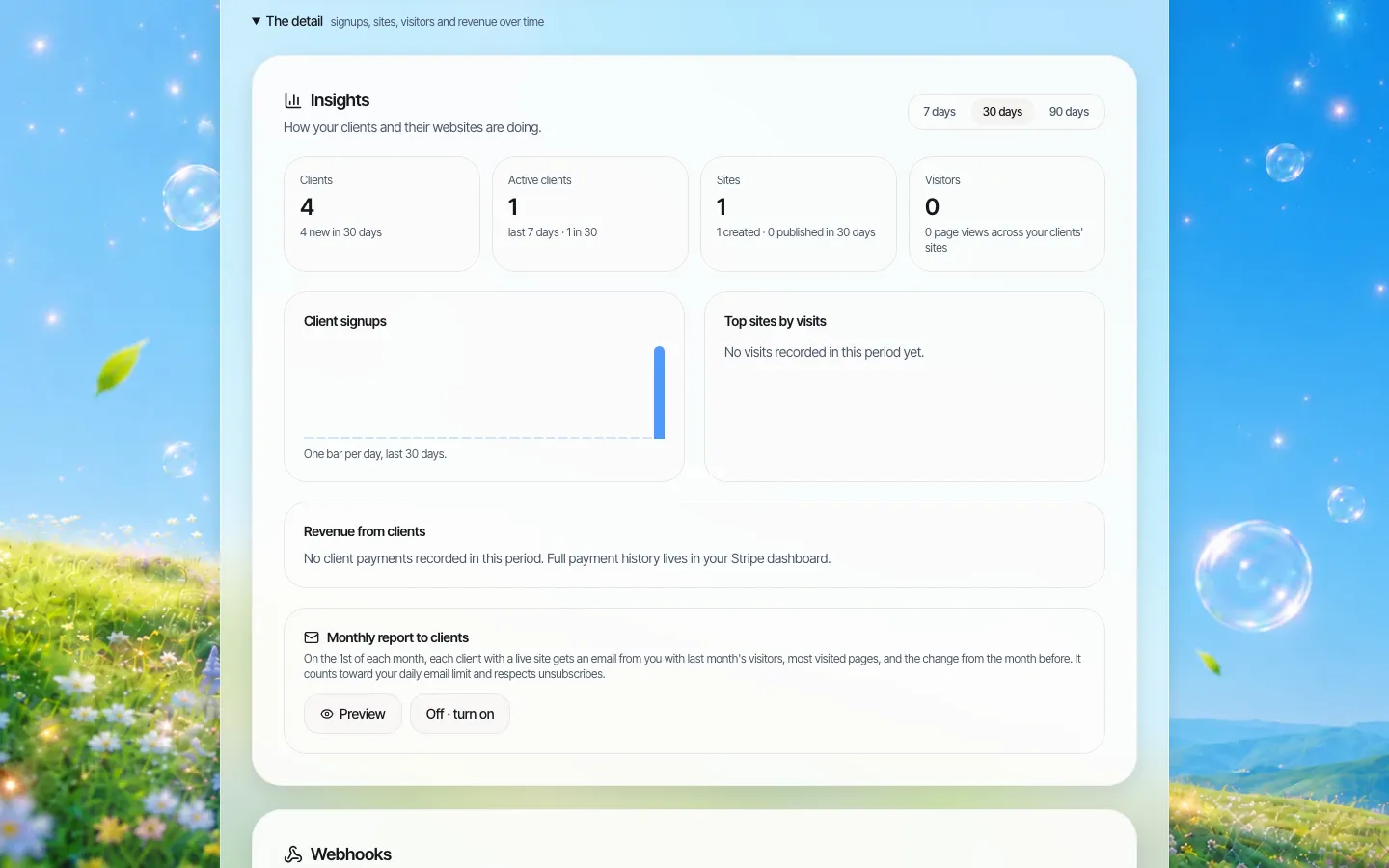
*The insights screen shows sign-ups, sites and visits across all your accounts. The demo brand has little data.*
Run this list a week before demo day:
- [ ] Every company in the cohort has a published site
- [ ] Every site link on your demo day page opens the right site
- [ ] Each homepage says what the company does in one sentence
- [ ] No site claims customers, revenue or partners the founders cannot show
- [ ] No site advertises the fundraise (see above)
- [ ] Contact forms are tested and reach a real inbox
- [ ] Sites load on a phone
There is also a bulk operations screen in the program console for applying some changes across several sites at once; ask to see what it covers today before you plan around it.
Graduation: the founder takes the site
The website must belong to the company when it leaves your program. Otherwise you have built a lock-in problem into the most important page the company owns.
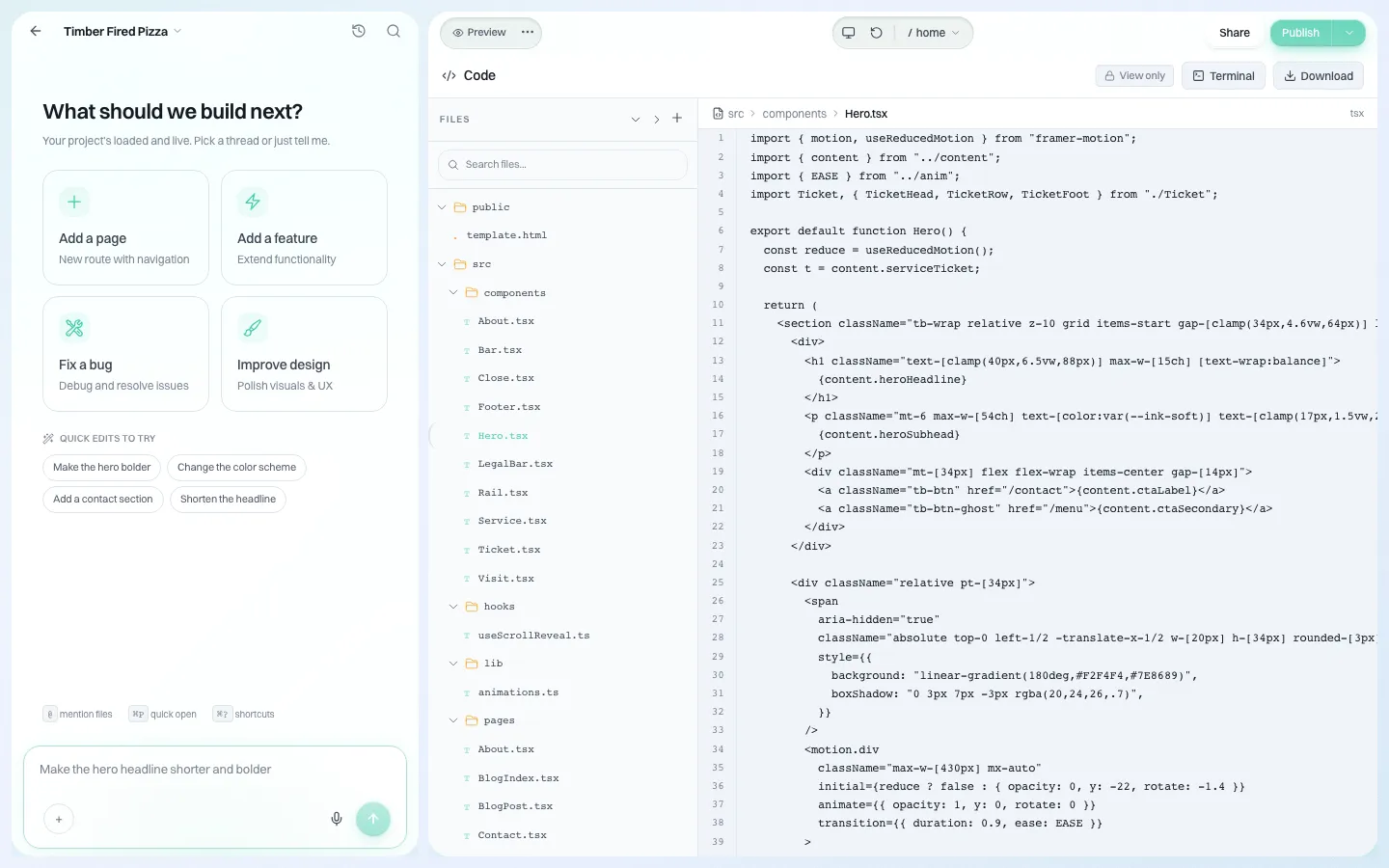
*Every site's source code is visible in the code panel and can be downloaded as a ZIP.*
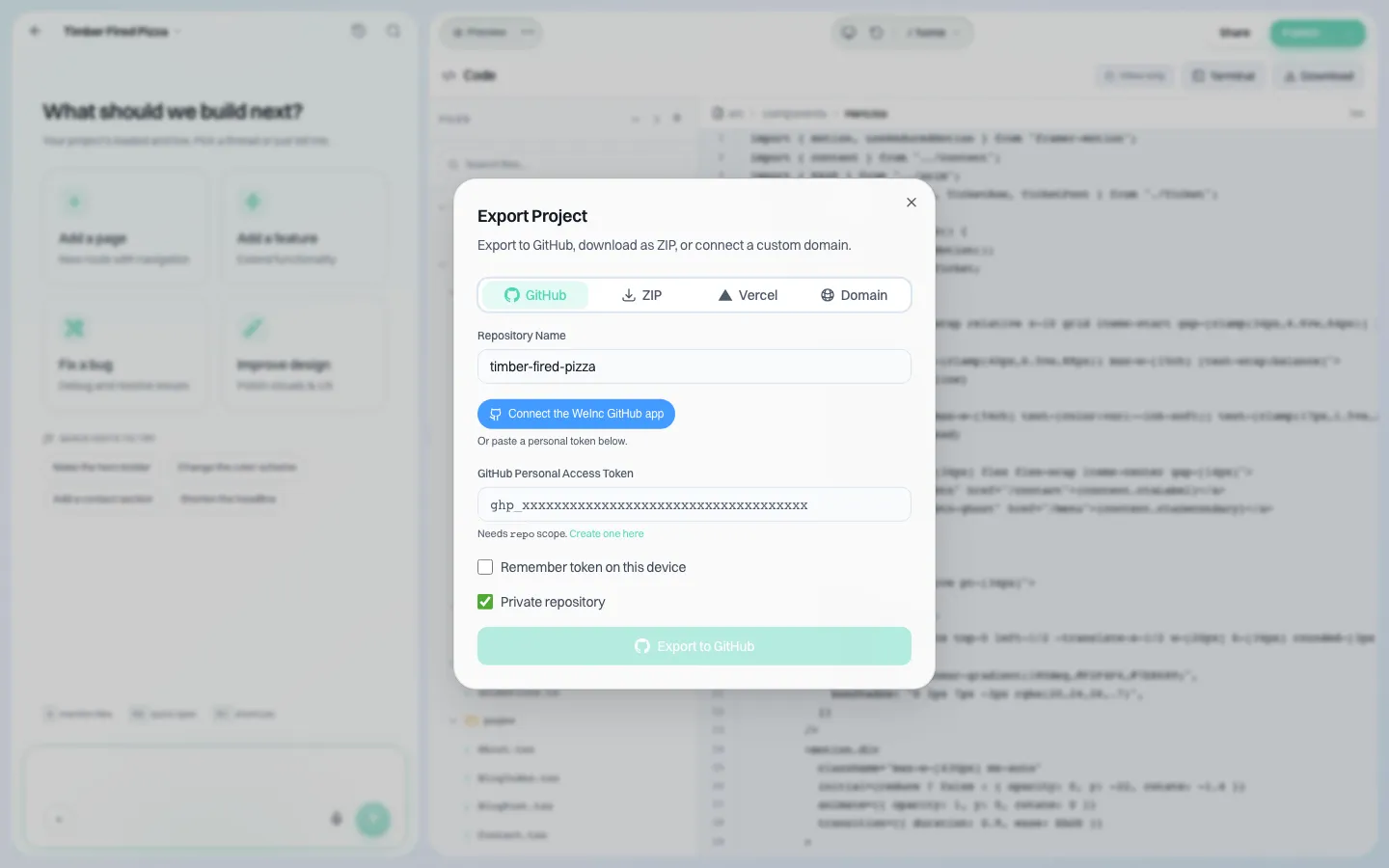
*The export dialog: push the site to a GitHub repository (private if you like), download a ZIP, or deploy elsewhere.*
A clean graduation runs like this:
- Confirm the company's own domain is registered in the company's name, not a founder's personal account and not yours.
- Export the site to the company's GitHub, or download the ZIP and send it.
- Agree whether the company stays on your program portal as an alumni account (useful for alumni perks) or moves the site elsewhere.
- If it leaves, remove its account once the domain points to the new host.
Our site handover page has more detail on this step.
Fitting this into the program budget
Most programs treat websites as included program infrastructure, the same as legal templates or cloud credits. Some corporate-backed programs bill it to the sponsor. Either way, we quote our price to you on a demo call; there is no self-serve plan for white label.
When this is not the right tool
- Deep-tech startups that need only a single page for a year may be fine on any free tool.
- Startups building their product on the web will build the product in their own codebase. We.Inc is for their marketing site, not their app.
- If your program needs one high-traffic site for the program itself, that is a different project; our tool can do it, but so can many others.
We do not publish security certifications, uptime figures or hosting-region guarantees.
Book a demo with your next cohort list, and we will set up the program portal with you on the call.
Sources
Last checked 2026-10-25.
- US Securities and Exchange Commission, "General solicitation — Rule 506(c)": sec.gov/resources-small-businesses/exempt-offerings/general-solicitation-rule-506c
Book a demo. Pricing is tailored to your volume and setup, and you get your exact price on the call. 0% transaction fee.
Frequently asked questions
Who owns the startup’s website after the program?
The company should. Its code can be downloaded as a ZIP or exported to the company’s GitHub, and its own domain should be registered in the company’s name.
Can our team edit a founder’s site?
Yes. Staff with the owner, admin or designer role can open and edit any company’s site in your program account.
Should startups mention their fundraise on the website?
Usually not. In the US, publicly advertising a private raise can count as general solicitation, which only Rule 506(c) offerings allow. Founders should ask securities counsel.
Does each startup get its own domain?
If you switch on the own-domain setting for them, they can connect a domain they own. Otherwise the site lives on your program’s address.
Keep reading
- White label website builder: the We.Inc platform
- Handing a site over to its owner
- Code export: leaving without losing the site
- Inviting clients under your brand
- Client permissions: what each site owner can do
- AI site generation for your clients
More in White Label
- The long tail of state websites: boards, commissions and programs
- Give every person on your team the access their job needs, and no more
- A website for every business line you install
- One destination brand, a season's worth of microsites
- A website for every advisor, without losing the network's name
- Websites for every local, and for every member who runs a practice
- Websites for every department, lab and event, under one university brand
- A Vendasta alternative for agencies whose product is the website
We.Inc is an AI-powered website builder you can resell under your own brand. Launch a branded client dashboard, bill on Stripe Connect, and deliver AI-generated websites in minutes. White-label pricing is tailored to your volume and setup: book a 30-minute demo for a quote.
Product
- AI Website Builder: Describe a site in plain English; it's live in minutes
- White Label Platform: Your brand, your domain, your margin
- Enterprise: SSO, custom SLAs, and dedicated support
- Developer API: Embed site generation into your SaaS
Who It's For
- For Agencies: Resell under your brand
- For Freelancers: Your own branded builder
- For Hosting Providers: Add a builder to your stack
- For SaaS Platforms: Embed site creation via API
- For Startups
- For Financial Services
- For Healthcare
Features
- Drag & Drop Editor
- Built-in SEO Tools
- Custom Branding
- Client Dashboard
- Reseller Billing (Stripe Connect)
Resources
- Blog
- Help Center
- Free Business Tools
- Free UI Components
- Website Templates
- Template Collections
- Website Examples
- Guides
- Comparisons
- Alternatives
- Best Lists
- Reviews
- Pricing Guides
- Use Cases
- Glossary & Guides
- Integrations
- Developers
- Benchmark
- Windows App